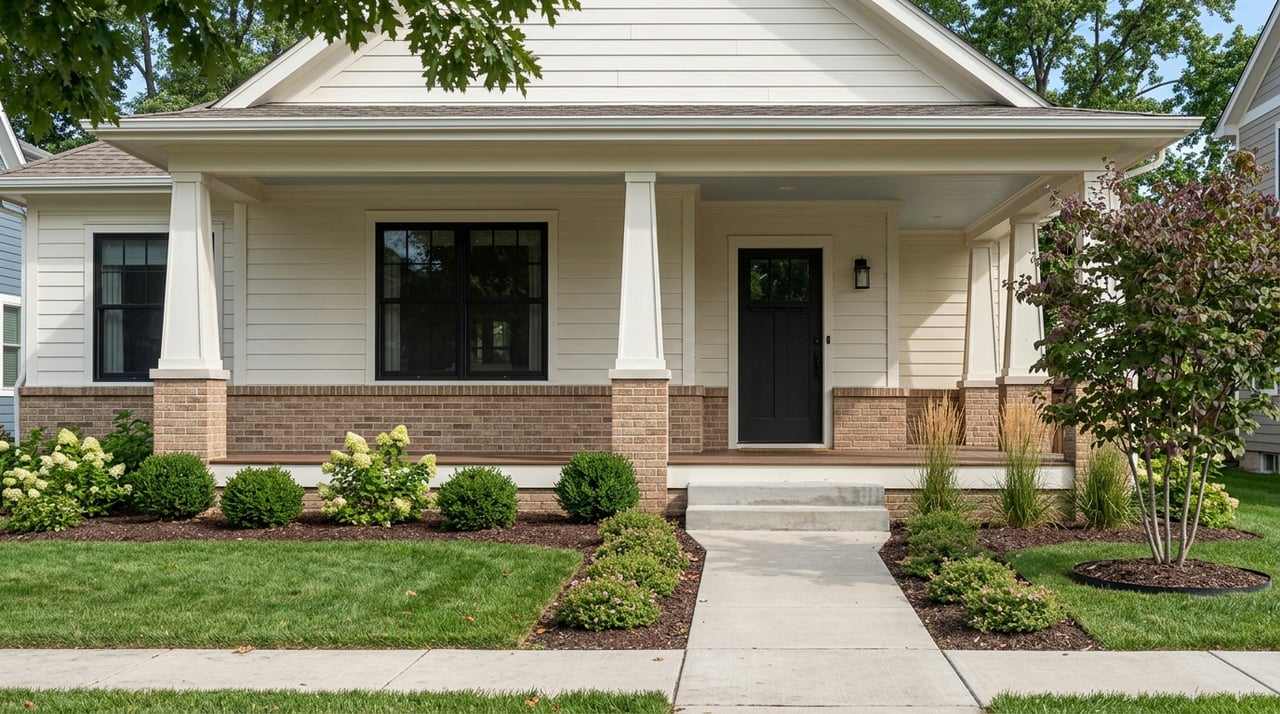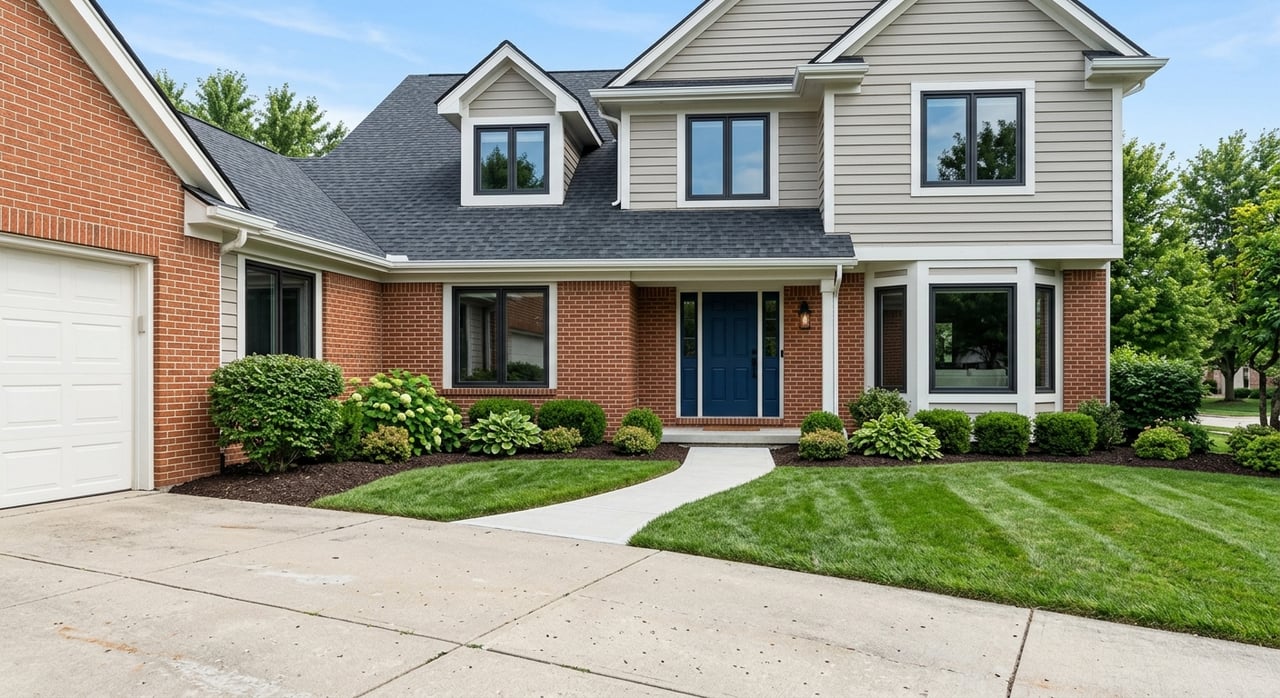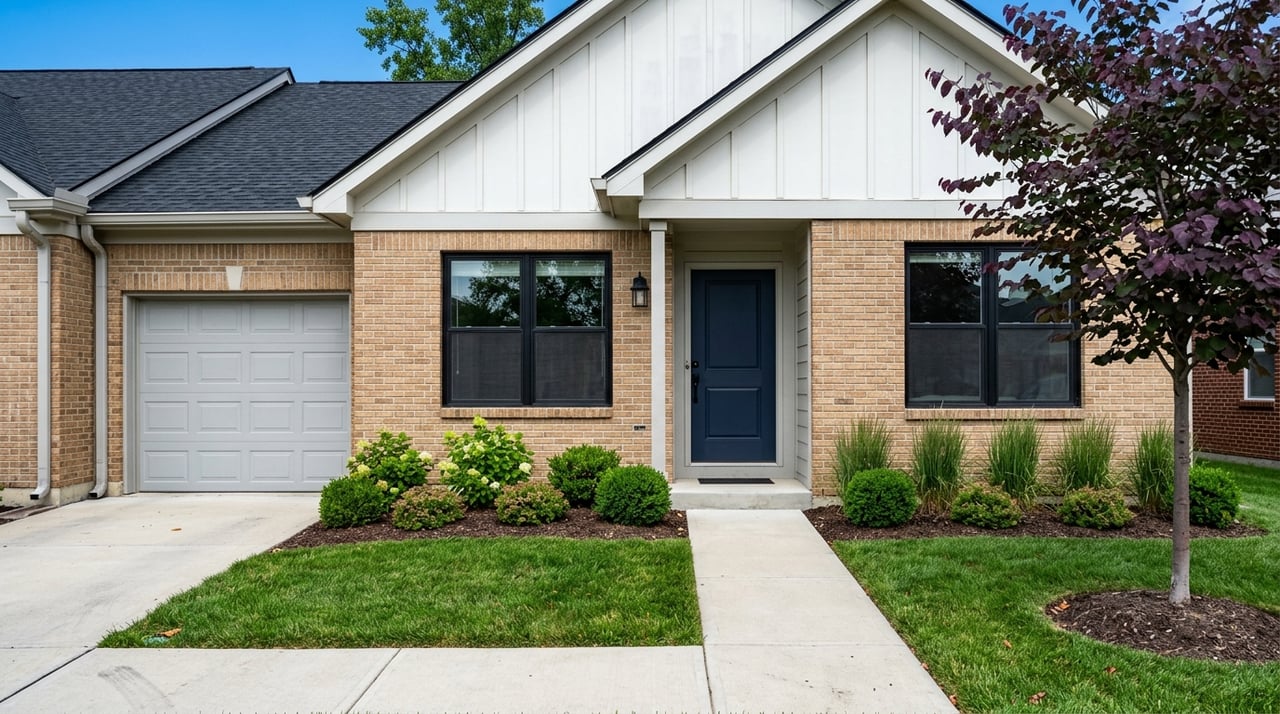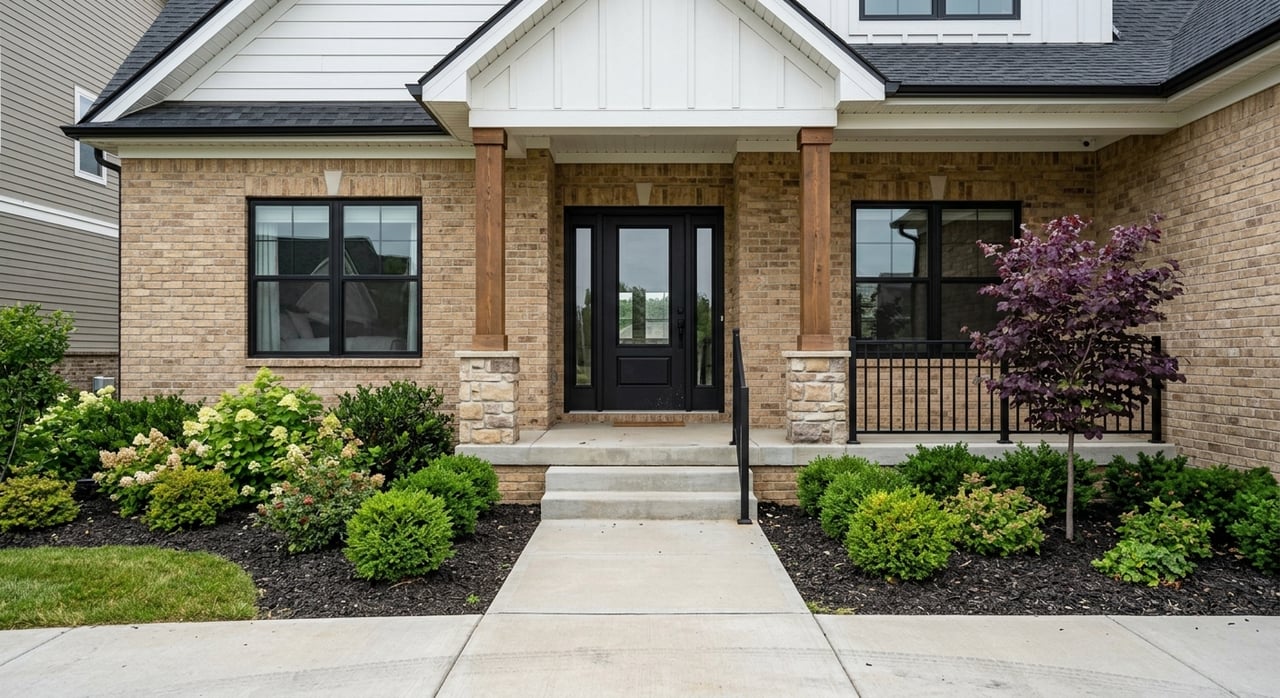
Wondering if Westfield is the right place to make your next move up? If you need more space, want newer housing, or hope to find a neighborhood with trails, parks, and everyday convenience, Westfield is likely already on your list. The good news is that this city offers a lot for growing households, but it also comes with pricing and competition you should understand before you jump in. Let’s take a closer look.
Why Westfield stands out
Westfield has become one of Hamilton County’s strongest move-up markets for buyers who want a suburban setting with newer homes and community amenities. The city’s estimated 2024 population was 62,994, and Westfield-Washington Township’s median household income reached $123,456. Those numbers help explain why so much of the housing stock is geared toward larger owner-occupied homes.
The housing mix matters too. According to city planning materials, nearly 80% of housing units are single-unit detached and owner-occupied, and more than 65% of housing was built after 2000. For you, that often means more choices with modern layouts, larger garages, open living spaces, and less of the deferred maintenance that can come with much older homes.
What Westfield home prices look like
Westfield is not the lowest-price option in Hamilton County, and that is important to know upfront. Current market data places Westfield in the mid-to-upper range for the county, making it a true move-up market rather than a starter-home market.
Zillow shows a typical home value of $475,956, a median list price of $490,000, and a median sale price of $444,333. Redfin reported a March 2026 median sale price of $497,000. Homes are also going pending in about 8 days, which tells you well-priced homes can move fast.
Here is the practical takeaway. If you are moving up from a smaller home and want a larger floor plan in a newer neighborhood, you should expect Westfield pricing to reflect that demand. Buyers looking for value still have options, but they usually need a realistic budget and a clear plan.
What kind of home you can expect
One reason Westfield appeals to move-up buyers is simple: larger homes are common here. The city says nearly 79% of housing units have three or more bedrooms, which supports the idea that this market was built with space in mind.
That can be a strong fit if you want room for bedrooms, a home office, play space, guests, or flexible bonus areas. It also means you may find the kind of layout you wanted in your first home but could not afford at the time. In Westfield, those features are often part of the standard inventory.
New construction or resale?
Westfield offers both, and that flexibility is a big plus for families in transition. If you are deciding between building and buying an existing home, Westfield gives you room to compare based on timing, budget, and priorities.
New construction in Westfield
Current new-construction listings show a wide spread. Some entry-level new homes are listed around $281,411, while many move-up and custom options fall in the $375,000 to $575,000 range. Higher-end new builds can reach $664,900, $725,000, $811,990, $965,990, and beyond.
If your goal is a newer floor plan, updated finishes, and a neighborhood with built-in amenities, new construction may be appealing. Just keep in mind that many move-up buyers land well above starter-home pricing once they add lot premiums, size upgrades, or community features.
Resale homes in Westfield
Resale homes also cover a wide range. Current listing examples include homes around $300,000, $319,000, $390,000, $399,000, $450,000, $469,900, $530,000, $539,900, $710,000, and $785,000, with some higher-end homes above $1 million.
That range gives you a real chance to stretch into Westfield without waiting for a build to finish. A resale home may also offer benefits like a more established yard, basement space, mature landscaping, or a location in a neighborhood that already feels settled.
Which path makes more sense?
For many move-up buyers, the practical budget band in Westfield is the mid-$400,000s to low-$700,000s. That is where a lot of the market lines up for larger homes, newer layouts, and stronger amenity options.
The good news is that resale in Westfield does not always mean old. Since more than 65% of the city’s housing was built after 2000, many existing homes still feel relatively current. That can give you a nice middle ground between brand-new and fully established.
Neighborhood types move-up buyers often consider
Westfield has a strong master-planned feel in many areas. City planning materials note that newer subdivisions often include internal trail systems, recreational amenities, and pathways to nearby businesses, which can shape day-to-day life in a very practical way.
Harmony
Harmony is one of Westfield’s best-known amenity-rich communities. Residents have access to a clubhouse with meeting and banquet space, a gym, sport courts, and three pools.
If you want neighborhood amenities close to home, Harmony is worth a look. It offers the kind of built-in community infrastructure many move-up buyers want without leaving the suburb.
Chatham Hills
Chatham Hills sits at the higher end of the Westfield market. It is described by its official site as a premier private golf community in Hamilton County, and the city also lists The Club at Chatham Hills among Westfield’s private golf courses.
Westfield is also set to host LIV Golf at The Club at Chatham Hills in 2026, which adds to the area’s profile. For buyers looking at luxury-level options in Westfield, this is one of the city’s most recognizable communities.
Wood Wind Landing
Wood Wind Landing is another newer option that may appeal to move-up shoppers. The community is located along Ditch Road between 161st and 166th Streets and is tied to a revitalized golf-course setting.
It is also close to Grand Park and the Park Street dining corridor. The city has announced it will acquire Wood Wind Golf Club as a municipal asset, which signals long-term public investment in that area.
Lifestyle advantages in Westfield
For many families, Westfield is not just about the house. It is about how everyday life feels once you live there. On that front, the city has several strengths.
Parks and trails
Westfield’s park and trail system is one of its biggest draws. The Parks Department manages 14 parks and properties, and the shared-use path and trail system includes about 278 miles of public and private sidewalks plus more than 80 miles of city-owned trails.
The city also says most places in Westfield are within a half mile of a trail or multiuse pathway. The Monon Trail connects Westfield north to south and links to Carmel and Indianapolis, while the Midland Trace Trail creates an east-west connection to Noblesville. If being able to walk, bike, or get outside matters to your household, that is a meaningful benefit.
Grand Park and community activity
Grand Park is another major reason buyers consider Westfield. Droplight Grand Park Sports Campus spans more than 400 acres and includes 31 multi-purpose fields, 26 diamonds, and a 377,000-square-foot events center.
Grand Junction Plaza adds another layer to daily life with a downtown gathering space and recurring events such as Jams at the Junction. Together, these amenities help make Westfield feel active and connected, not just residential.
What to know about commuting
Westfield offers convenience, but it is still primarily a commuter suburb. U.S. 31 runs through the city, and State Road 32 and 146th Street serve as major corridors, which helps with regional access.
At the same time, city planning materials show that of Westfield’s 23,487 working residents, only 2,005 work in Westfield itself. That means many households choose Westfield because they want the suburban setting and are comfortable commuting to jobs in Carmel, Fishers, downtown Indianapolis, or elsewhere in the metro.
For you, the key question is simple: does the extra space and lifestyle value outweigh the drive? For many move-up buyers, the answer is yes.
Schools and planning ahead
Westfield Washington Schools is a major part of the conversation for many buyers. The district says it serves more than 10,100 students with about 1,600 educators and staff.
The district also says it is the fastest-growing school district in Indiana. Its rebalancing information notes that enrollment in grades K through 4 increased by 660 students over the past five years, which has led to updated attendance boundary maps and added school capacity.
That growth can be a positive sign of continued investment, but it also means you should verify school assignment by address before you make an offer. This is especially important if your timing depends on a particular elementary, middle, or high school boundary.
So, is Westfield the right move-up market?
Westfield is a strong fit if you want more house, newer housing stock, and neighborhoods with trails, parks, sports, and community amenities. It is also a smart option if you like having both resale and new-construction choices in the same city.
It may be less compelling if your top priority is finding the lowest possible price point in Hamilton County. Westfield’s pricing already sits in the mid-$400,000s, and desirable homes can move quickly.
Still, for many growing households, Westfield checks the boxes that matter most: space, newer homes, active community infrastructure, and a clear path to moving up without leaving the northeast Indy suburbs. If you want help comparing Westfield with nearby options like Fishers, Noblesville, Carmel, or Zionsville, Michele Snyder (IN) can help you sort through the numbers and find the right fit for your next move.
FAQs
Is Westfield, Indiana a good market for move-up buyers?
- Yes. Westfield is well suited for move-up buyers who want larger homes, newer housing stock, and amenity-rich suburban neighborhoods, but it is generally not the lowest-priced option in Hamilton County.
What is the typical home price in Westfield, Indiana?
- Current market data shows a typical home value around $475,956, a median list price of $490,000, and a median sale price in the mid-$400,000s, with some recent sale data near $497,000.
Are there new construction homes in Westfield, Indiana?
- Yes. Westfield has a broad new-construction market, with options ranging from entry-level pricing to move-up and luxury homes, including many listings in the $375,000 to $575,000 range and higher.
Are resale homes in Westfield older homes?
- Not always. More than 65% of Westfield’s housing was built after 2000, so many resale homes still offer relatively modern layouts and a newer neighborhood feel.
What Westfield neighborhoods may fit move-up families?
- Communities that often stand out for move-up buyers include Harmony for neighborhood amenities, Chatham Hills for higher-end golf community living, and Wood Wind Landing for newer housing near Grand Park and the Park Street area.
How competitive is the Westfield housing market?
- Well-priced homes can move quickly. Zillow reports homes going pending in about 8 days, so buyers should be prepared with a realistic budget and a clear strategy.
What lifestyle features make Westfield appealing to families?
- Westfield offers 14 parks and properties, more than 80 miles of city-owned trails, broad sidewalk connectivity, Grand Park sports facilities, and community gathering spaces like Grand Junction Plaza.
What should buyers know about Westfield Washington Schools?
- Westfield Washington Schools serves more than 10,100 students and is growing quickly, so buyers should confirm school attendance boundaries by address because boundary maps can change as the district adds capacity.