Thinking about a brand-new home in Westfield but not sure where to start? You are not alone. With so many builders, floor plans, and incentives, it can feel exciting and overwhelming at the same time. This guide walks you through local options, timelines, incentives, protections, and smart next steps so you can buy with confidence. Let’s dive in.
Why Westfield new construction stands out
Westfield is one of the fastest-growing suburbs in Hamilton County, with new neighborhoods clustering around the US-31 and SR-32 corridors and the activity hub near Grand Park. You will see everything from master-planned communities to low-maintenance townhomes. Recent snapshots show many new-home listings in the mid to high $400Ks, though prices move month to month.
If you are relocating or moving up, Westfield’s newer communities offer modern layouts, energy-efficient systems, and community amenities like trails, pools, and pocket parks. The variety lets you match your timing, budget, and lifestyle.
Product types you will see
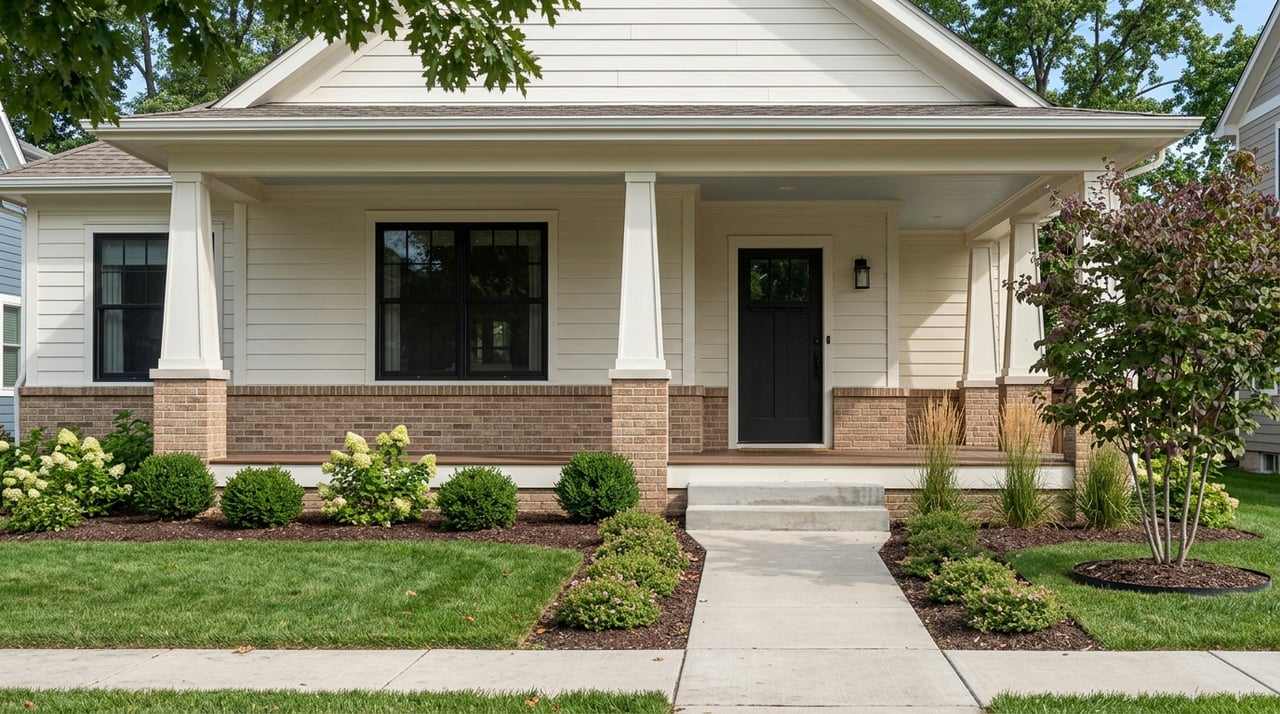
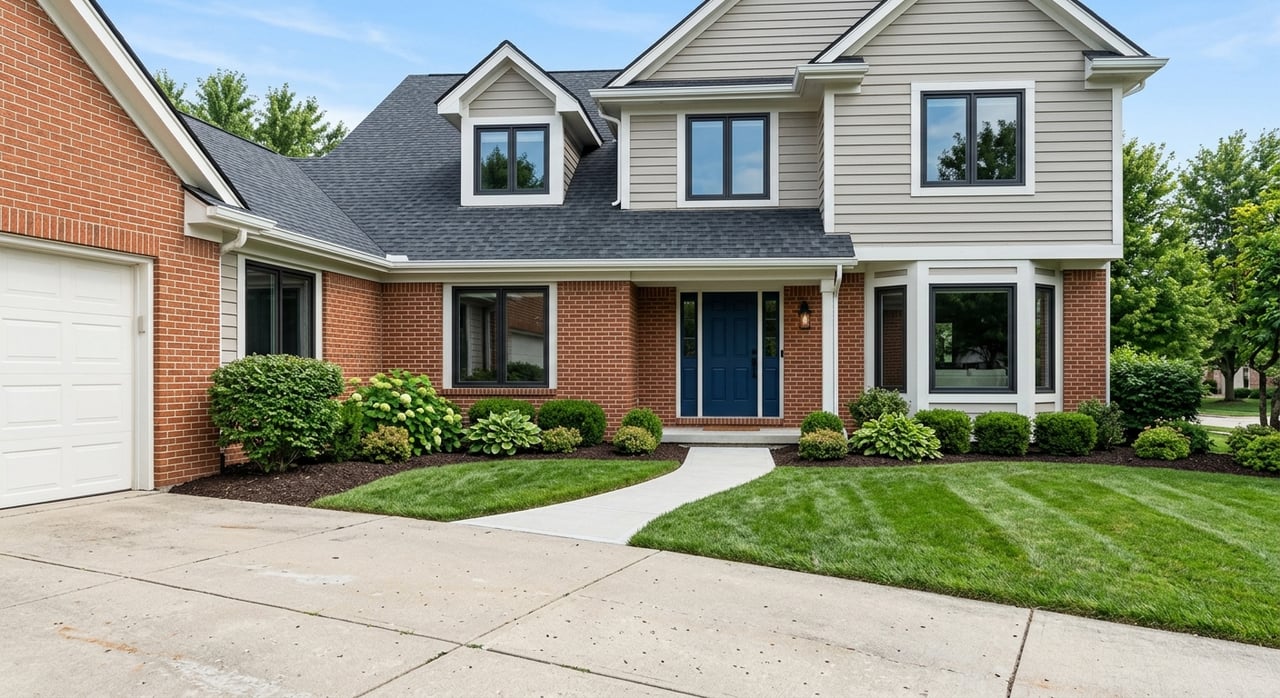
You have a wide range of choices in Westfield. Here are common options and a few representative examples to explore:
- Single-family in master-planned settings: Lennar’s Ravinia offers paired villas and single-family collections with bundled features in some plans. Review included features and floor plans on the community page for Lennar’s Ravinia in Westfield.
- Golf-oriented and estate-lot living: Fischer Homes is active near Grand Park and Chatham Hills, with a mix of single-family and townhome products. See their local presence on this Fischer Homes Westfield update.
- Amenity-focused neighborhoods: Pulte’s Lancaster Crossings in Westfield showcases community amenities and a variety of home series.
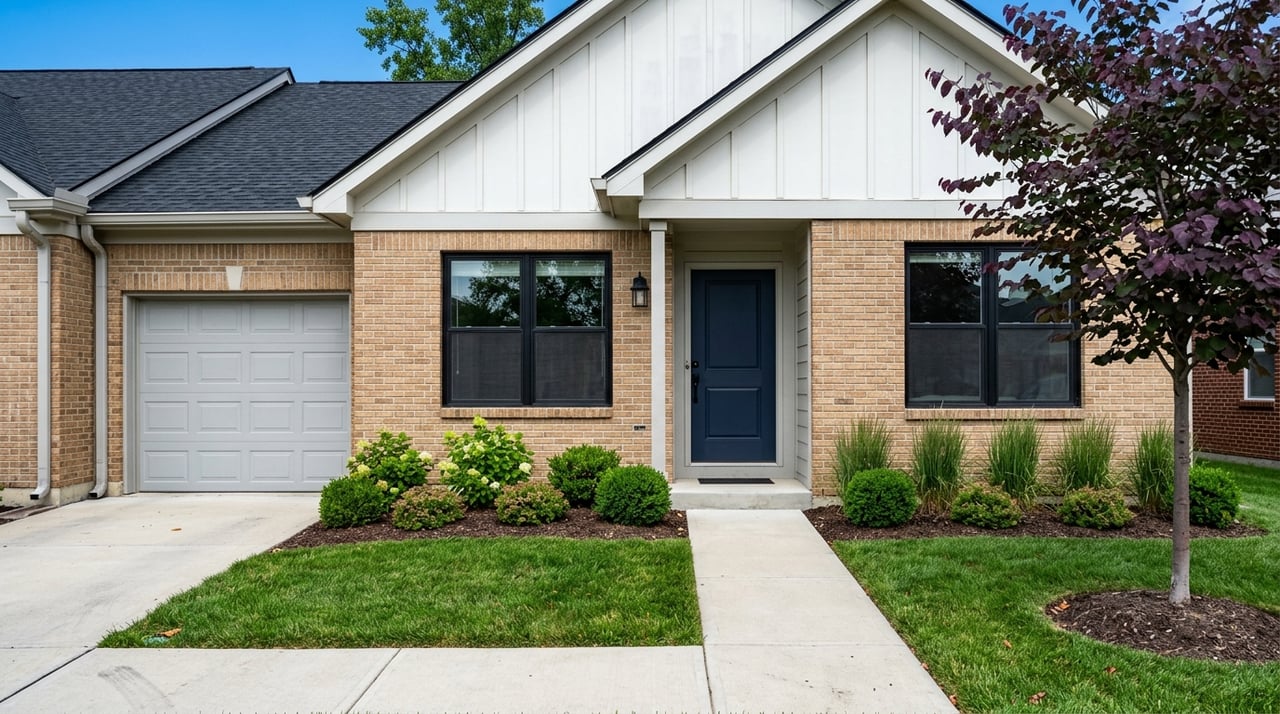
- Townhome and low-maintenance choices: M/I Homes features townhomes and low-maintenance options across Westfield. Browse current offerings via M/I Homes Westfield communities.
- Age-forward courtyard and villa styles: Epcon Communities has developed courtyard and attached-home products nearby that prioritize convenient, low-upkeep living.
Each builder structures base pricing, included features, and design-studio options differently. Always verify what is included versus what is considered an upgrade before you commit.
Quick-move-in vs. to-be-built
You will typically choose between a quick-move-in home or a to-be-built home.
- Quick-move-in (spec) homes are finished or near-finished. You can move sooner and avoid design delays. The trade-off is fewer choices on finishes and options.
- To-be-built homes start with a base plan that you personalize through the design center. You get more say in layout and materials, but the home will take longer and upgrades can add to your total price.
If you have a firm start date for a job or school year, lean toward move-in-ready inventory or build in schedule protections with your agent.
Lot selection and smart upgrade choices
Your lot affects daily life and resale potential. Compare these factors across options:
- Lot type and premium: Cul-de-sac, wooded views, corner lots, and walkout basements often carry premiums that can add tens of thousands to the price. Communities commonly post premiums on plat maps. Builders active near Chatham Hills and Grand Park illustrate how lot offerings can vary by phase, as noted by Fischer Homes.
- Sun and orientation: Notice how afternoon light hits main living spaces. A sunny backyard can be a plus, while strong western sun may raise cooling needs.
- Grading and drainage: Check yard slope, downspout placement, and potential for walkout or daylight basements.
- Proximity and noise: Walk the site at different times to assess traffic, construction activity, and distance to amenities.
For upgrades, use a simple rule of thumb: prioritize structural and systems choices that are hard to change later. Examples include additional bathrooms, rough-ins for a future basement bath, larger square footage or flex rooms, and upgraded mechanicals. Cosmetic finishes like cabinet hardware or lighting can be changed after closing, often at lower cost.
Timeline and inspections in Westfield
A realistic build window for most suburban single-family homes is about 6 to 12 months from permit to completion, depending on weather, materials, and complexity. National guidance places average construction times in that range for built-for-sale homes. You can read more in this overview of typical timelines from SoFi.
Your schedule also depends on municipal inspections. The City of Westfield lists required procedures and inspection stages, including footing, rough-in, and final. Builders must coordinate with the city’s calendar, and re-inspections can add days to the process. Review the city’s Required Inspections and Procedures to understand the checkpoints.
Pro tip: If you are locked into a move date, consider quick-move-in inventory or have a backup plan for short-term housing. Your agent can help align lender milestones, builder inspections, and closing.
Understanding builder incentives
Builders often use incentives to help buyers with affordability and selections. Common offers include:
- Rate buydowns: Temporary or permanent points paid to reduce your interest rate for a period of time. The real value depends on your loan size and how long you keep the mortgage. See typical structures in this industry roundup from National Mortgage Professional.
- Closing-cost credits: Cash applied to your closing fees. Helpful if you want to reduce cash at closing, but not the same as a lower purchase price.
- Design-studio credits or free upgrades: Immediate value, but sometimes limited to specific packages.
- Promotional pricing: Less common than credits, since builders prefer keeping base prices stable.
How to compare offers:
- Ask whether the incentive requires using the builder’s preferred lender or title company.
- Compare the monthly payment impact of a rate buydown versus the one-time value of a closing-cost credit.
- Look at your 2- to 3-year cash flow. If a buydown ends after year two, plan for that payment change.
- Weigh upgrade credits against out-of-pocket costs to add those items later.
Protecting your purchase: warranties and inspections
You should clearly understand the warranty. Many builders follow a “1-2-10” pattern: one year for workmanship and materials, two years for major systems, and ten years for structural components. Ask for the exact warranty document and claims process. For a helpful overview of common coverage, see this briefing from NewHomeSource Professional.
Even with municipal code inspections, consider hiring an independent inspector. Key touchpoints include a pre-drywall inspection to check framing and rough-ins, a pre-closing inspection to build your punch list, and an 11-month inspection before the one-year warranty expires. Third-party inspectors often catch workmanship and insulation issues that city code checks do not cover.
Contracts for new construction are different from standard MLS forms. Pay attention to deposit rules, change-order costs, and delivery dates. Ask your agent to review the contract language, including contingencies for financing and appraisal.
Why you still want a buyer’s agent
The on-site sales representative works for the builder. Your buyer’s agent is your advocate. They help you compare communities, lot premiums, and upgrade values. They also negotiate incentives, coordinate inspections, and keep your build on track.
In many cases, builder-paid commission covers buyer representation, though practices can vary by community and contract. Learn more about the value of representation in this overview on using an agent for new construction.
Quick checklist for Westfield buyers
Use this as your at-a-glance plan:
- Request documents up front: community plat map, lot premium list, HOA covenants, a sample contract, and the full warranty document.
- Verify what is included: confirm standard features versus design-center upgrades for your floor plan.
- Clarify incentives: ask if credits or buydowns require the builder’s lender or title company. Compare monthly payment and total cash impact.
- Plan your timeline: if you have a hard move date, focus on quick-move-in homes or build in contingencies. Account for Westfield’s inspection schedule.
- Schedule third-party inspections: pre-drywall, pre-closing, and an 11-month warranty check.
- Document everything: keep a photo log and email threads to support future warranty claims.
Next steps
If you want help narrowing Westfield communities, comparing incentives, or protecting your build timeline, connect with a trusted local advocate. With more than 30 years of experience in Hamilton County and hands-on support from contract to close, Michele Snyder (IN) is ready to guide your next move. Schedule a consultation to get a tailored plan for your budget, timing, and must-haves.
FAQs
How long does new construction take in Westfield?
- Most built-for-sale single-family homes finish in about 6 to 12 months after permitting, but weather, materials, and inspections can extend that window.
What inspections should I order on a new home?
- Hire a third-party inspector for pre-drywall, a pre-closing walkthrough inspection to build a punch list, and an 11-month inspection before the one-year warranty ends.
Should I use the builder’s lender to get incentives?
- Sometimes incentives require using the preferred lender or title company; compare the true value of a buydown or credit against independent loan options before deciding.
What is the difference between a quick-move-in and to-be-built?
- A quick-move-in is already built or near completion, so you move sooner with fewer choices; a to-be-built lets you personalize more but takes longer and may add upgrade costs.
How do lot premiums work in Westfield communities?
- Premiums reflect location or features like cul-de-sac placement, wooded views, or walkout potential; the same plan can cost more on a premium lot, so review the plat and pricing early.