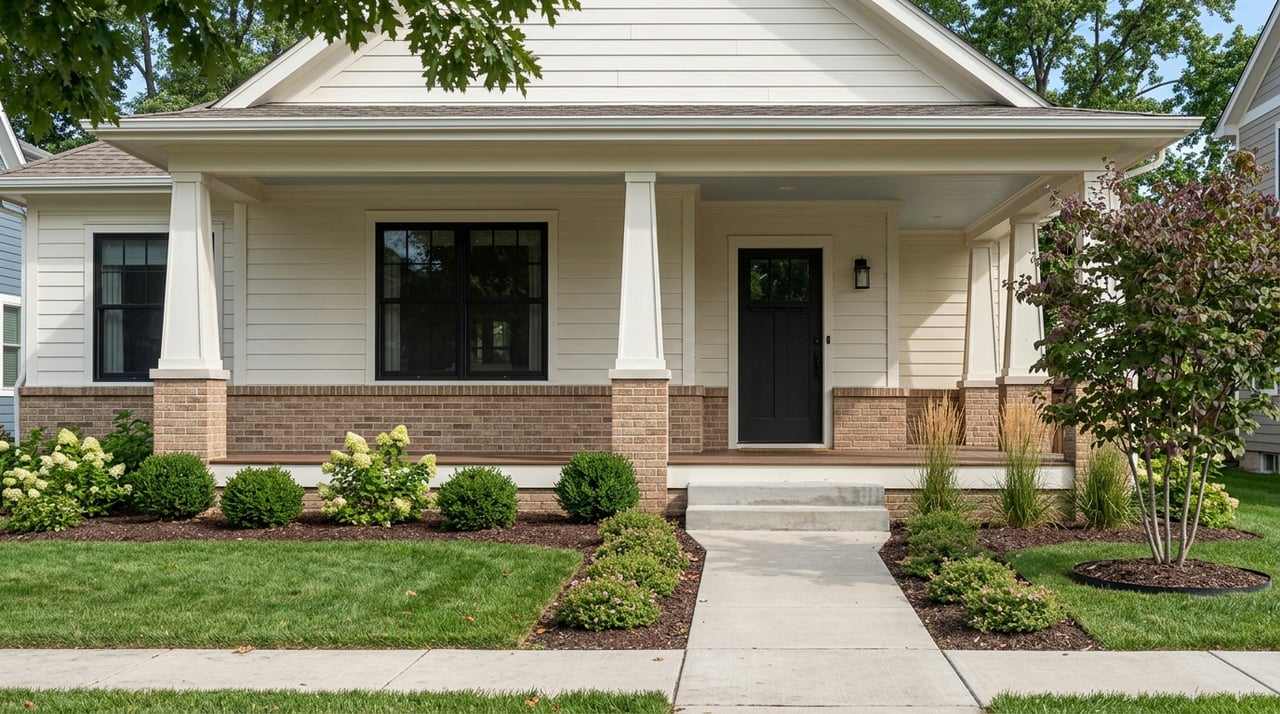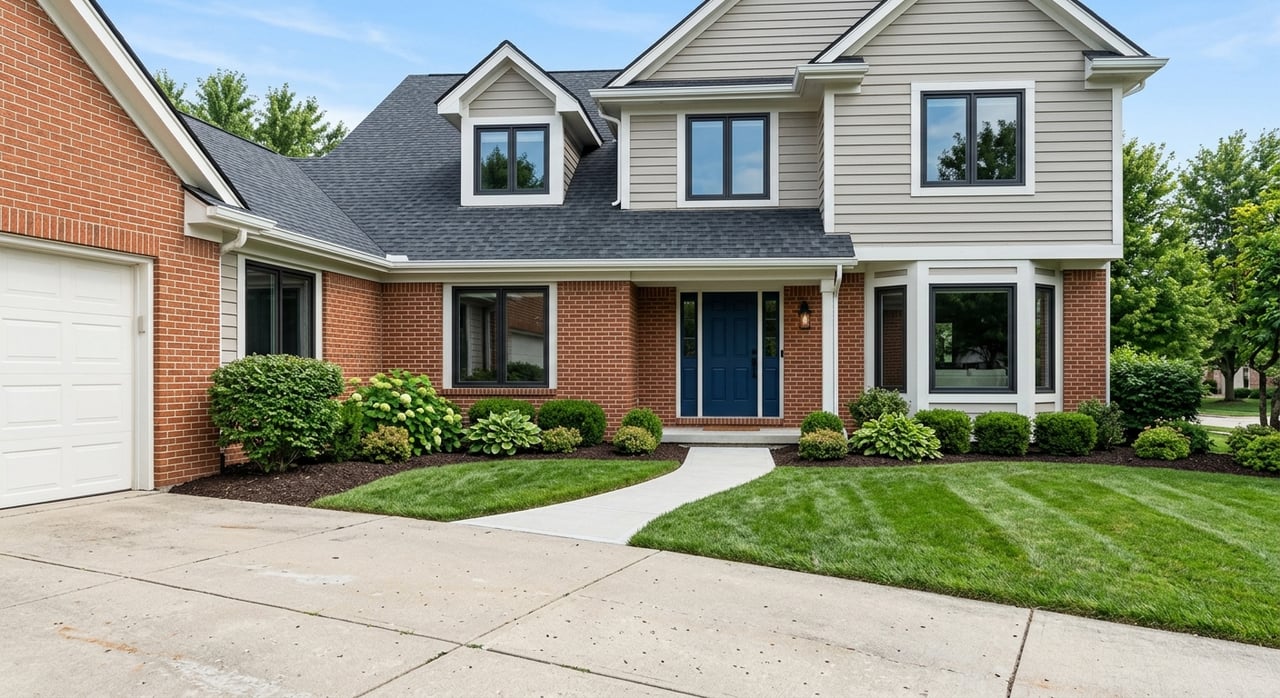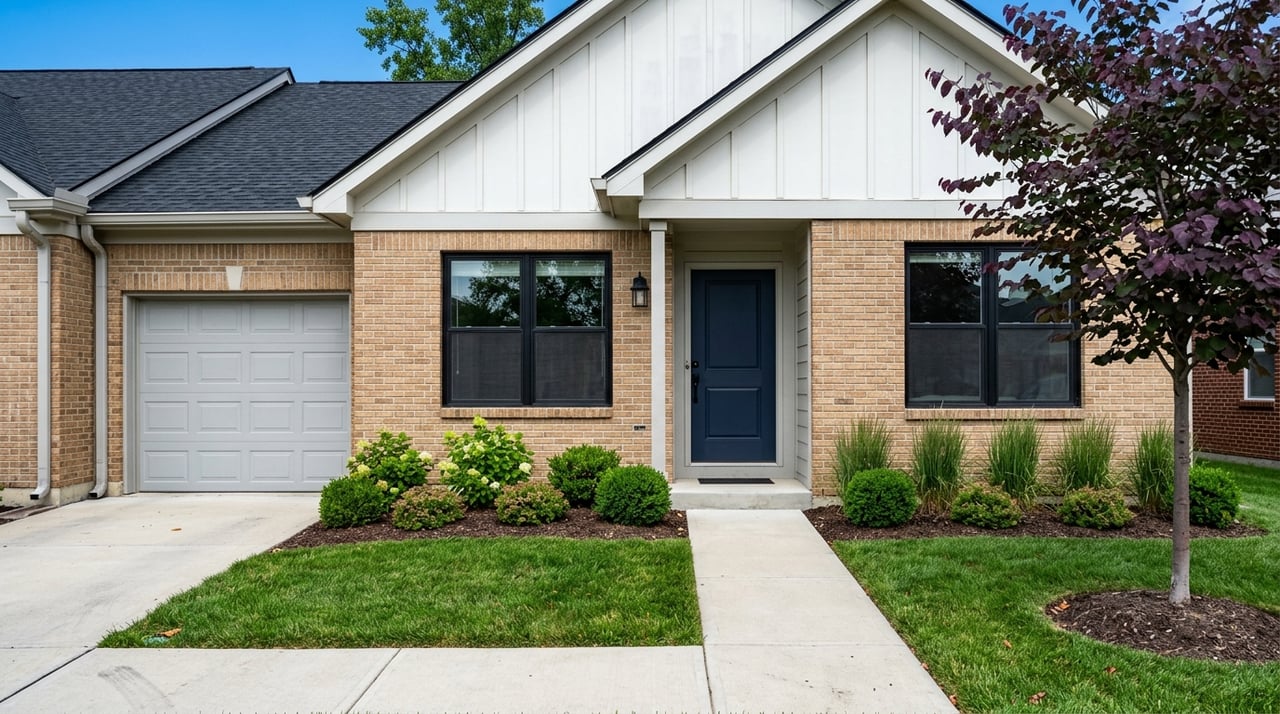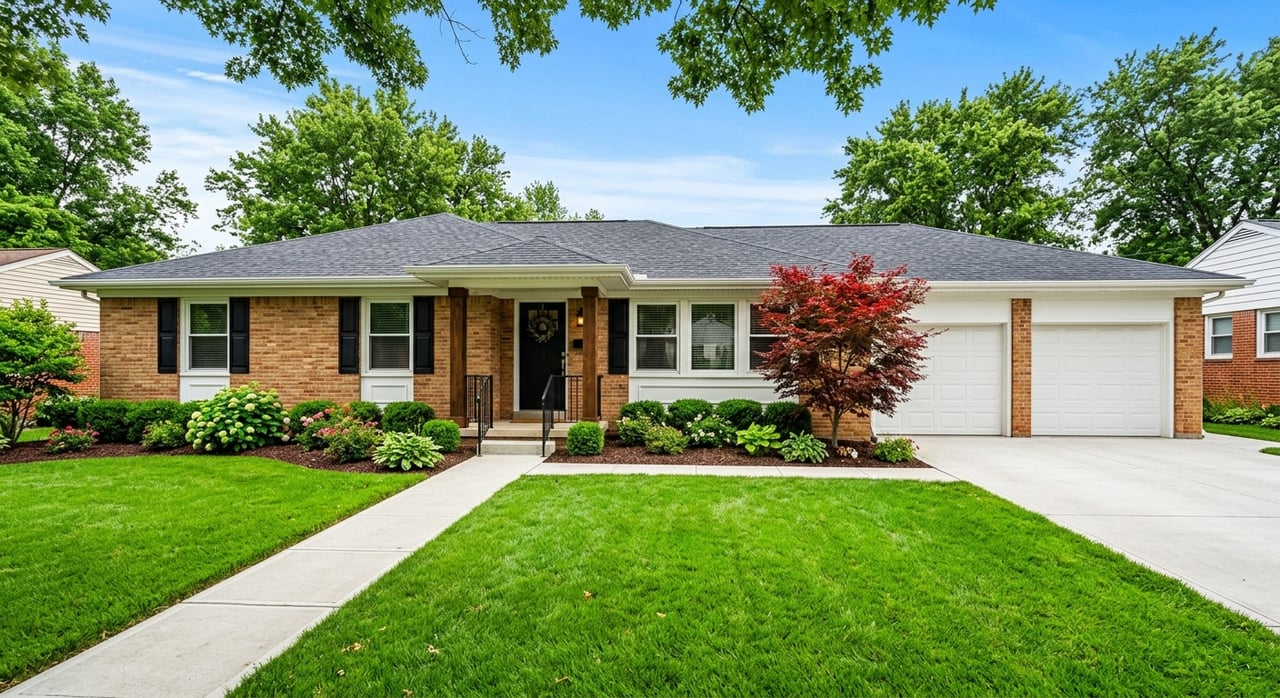
Thinking about moving to Zionsville? You are not alone. For many buyers, Zionsville stands out because it offers a rare mix of a historic village feel, strong access to Indianapolis-area job centers, and a lifestyle built around parks, trails, and everyday convenience. If you are weighing the cost, commute, and community side by side, this guide will help you understand what living in Zionsville really looks like before you make a move. Let’s dive in.
Why buyers consider Zionsville
Zionsville is often seen as a premium north-side suburb, and the numbers support that. According to Realtor.com’s Zionsville market overview, the median home sale price in January 2026 was $679,900. Zillow’s typical home value estimate was also in a similar range at $660,573, with values up 6.2% year over year.
That pricing puts Zionsville above many nearby suburban options. In current Realtor.com snapshots for nearby communities, Carmel was at $527,500, Westfield at $475,000, Fishers at $420,000, and Whitestown at $389,450. In plain terms, you should expect to pay a noticeable premium for Zionsville compared with several other Indianapolis-area suburbs.
What Zionsville homes cost
If you are relocating, it helps to think of Zionsville as a mid-$600,000s to low-$700,000s market depending on the source and the exact area. The 46077 ZIP code was even higher, with a median of $707,450 in the same reporting period. That makes budgeting especially important before you begin touring homes.
The market also appears active without being overly rushed. Realtor.com reported 159 active listings and a median of 66 days on market in January 2026. For you as a buyer, that can mean there is inventory to consider, but pricing still reflects strong demand for the area.
Budget beyond the price tag
Your monthly cost in Zionsville is not just about the mortgage payment. You also need to factor in taxes, insurance, utilities, maintenance, and the possibility of higher upfront cash needs if you are shopping in one of the town’s more expensive areas.
Property taxes are especially important here because the rate depends on the taxing district, not just the town name. The 2025 certified tax rates by district from the Indiana Department of Local Government Finance show that Zionsville-area districts vary from 1.4205 in Perry/Zionsville Rural to 1.9795 in the Zionsville Corporation district. That means two homes with similar prices can carry different tax bills based on the exact address.
What this means for relocation buyers
If you are comparing Zionsville with other suburbs, the biggest takeaway is simple: location within Zionsville matters almost as much as location within the metro. Your purchase price, property tax rate, and commute can all shift depending on where you land.
This is where careful planning makes a difference. Before you relocate, it helps to narrow your budget based on the full monthly cost, not just the list price, so you can focus on homes that truly fit your goals.
How the commute feels
For many households, Zionsville works because it balances a quieter setting with solid regional access. The Town of Zionsville describes itself as about 20 minutes north of Indianapolis, and third-party route planners place the drive to downtown Indianapolis at about 24 minutes, or roughly 14.8 miles.
That commute can be practical if you work in downtown Indy, Carmel, or other nearby job hubs. Travel estimates in the research also put Zionsville at about 20 minutes from Carmel and around 35 minutes from Indianapolis International Airport. If your work or travel routine connects you to those destinations, Zionsville can offer a manageable middle ground.
Best fit for regional access
Zionsville may be a strong match for you if your routine includes:
- commuting to downtown Indianapolis
- driving to Carmel for work or meetings
- regular airport trips for business or family travel
- wanting suburban space without feeling too disconnected from the metro
That said, commute time always depends on your exact start and end points, plus traffic patterns during the hours you travel. When relocating, it is smart to test your likely routes during real commute windows before you commit to a home.
What the community feels like
Zionsville’s appeal goes well beyond housing. The town is known for its historic village identity, and the town’s official overview highlights the Brick Street, historic buildings, boutiques, art galleries, locally owned restaurants, and community events that shape its character.
If you are looking for a suburb with a distinct sense of place, this is one of Zionsville’s biggest strengths. Instead of feeling purely built around subdivisions and roads, the town offers a recognizable center that gives daily life a more connected, small-town rhythm.
Parks and trails support daily life
Outdoor access is another major part of the Zionsville lifestyle. The town says the Big-4 Rail Trail is the 5-mile central spine of a broader network with more than 20 miles of interconnected paved pathways. The Parks Board also oversees about 715 acres of parks.
For you, that can translate into easier access to walking, biking, and outdoor recreation close to home. It also adds to the everyday convenience of getting around town and connecting to parks, trailheads, downtown areas, and other destinations.
Town profile at a glance
A few broader data points also help explain Zionsville’s market position. U.S. Census QuickFacts estimates the town’s July 2024 population at 33,161 and lists 67.22 square miles of land area. The same source reports a median household income of $172,024 and a 71.0% bachelor’s degree rate for adults 25 and older.
Those numbers do not tell your personal story, but they do help explain why Zionsville is usually framed as a higher-cost, move-up suburb rather than a budget option. In short, the market tends to attract buyers who are prioritizing long-term lifestyle, community identity, and access to amenities.
What to know about schools
For many relocating buyers, schools are part of the research process. Zionsville Community Schools states on its official district site that it serves K-12 students with six elementary schools, two middle schools, and one high school, and the homepage reports more than 8,000 students and a 98.4% graduation rate.
State data adds more context. The Indiana GPS dashboard figures cited in the research report show that Zionsville Community High School posted a 1120 SAT score in 2024, along with graduation rates of 98.5% with waivers and 96.3% excluding waivers in 2023. If schools are important in your move, reviewing district boundaries, enrollment information, and the exact assigned schools for any address should be part of your planning.
Is Zionsville worth the premium?
That depends on what matters most to you. If your top priority is maximizing square footage at the lowest possible price, nearby suburbs may give you more room for the money. Zionsville is usually not the bargain play.
If, however, you value a historic village core, established parks and trails, practical access to Indianapolis-area job centers, and a community many buyers see as distinctive, the premium may feel justified. Zionsville tends to appeal most to buyers who are comfortable making a trade-off: higher housing costs in exchange for a specific lifestyle and setting.
A smart way to plan your move
If you are relocating to Zionsville, your best next step is to compare homes through three lenses at the same time:
- Total cost: purchase price, taxes, and monthly payment
- Commute reality: drive time to work, the airport, and daily errands
- Community fit: access to trails, the Village area, and the type of setting you want
Looking at only one of those factors can lead to the wrong decision. A home may fit your budget but add too much drive time, or it may offer the lifestyle you want but push your monthly costs higher than expected.
Relocating gets easier when you have clear local guidance and realistic numbers from the start. If you want help comparing Zionsville with nearby suburbs or narrowing down where your budget and lifestyle line up best, Michele Snyder (IN) can help you plan your move with experienced, hands-on support.
FAQs
What is the average home price in Zionsville, Indiana?
- Realtor.com reported a median home sale price of $679,900 in January 2026, while Zillow estimated a typical home value of $660,573.
How does Zionsville compare in cost to Carmel, Fishers, and Westfield?
- Based on current Realtor.com snapshots in the research report, Zionsville is priced higher than Carmel, Westfield, Fishers, and Whitestown.
How long is the commute from Zionsville to downtown Indianapolis?
- The Town of Zionsville says it is about 20 minutes north of Indianapolis, and third-party route planners put the drive to downtown at about 24 minutes.
What should buyers know about Zionsville property taxes?
- Property tax rates vary by taxing district, so the exact address matters when estimating ownership costs.
What community features stand out in Zionsville, Indiana?
- Zionsville is known for its historic Village area, Brick Street, local shops and restaurants, community events, parks, and an interconnected paved trail system led by the Big-4 Rail Trail.
What should relocating buyers know about Zionsville Community Schools?
- Zionsville Community Schools says it serves K-12 students across six elementary schools, two middle schools, and one high school, so buyers should confirm school assignments and boundaries for any specific address they are considering.